
Dark spots can appear on your skin for many reasons—sun exposure, aging, acne, or improperly treated breakouts. But while these causes are well known, one issue that’s less talked about is post-inflammatory hyperpigmentation. Because hyperpigmentation can stem from many different triggers, it’s often frustrating to manage.
Some types of hyperpigmentation may fade naturally, while others—like melasma, often driven by hormones and UV exposure—are far more stubborn and require targeted treatment plans. The challenge is that many aggressive treatments come with a serious downside: the risk of bleaching.
Highly concentrated products or harsh treatments can disrupt your skin’s natural melanin balance, leading to patchiness, uneven tone, or long-term damage. And while managing hyperpigmentation can feel overwhelming, the good news is there are effective, science-backed treatments that fade dark spots without altering your natural tone.
This guide breaks down what hyperpigmentation is, what causes it, and which treatments actually work—without bleaching your skin.
What Is Hyperpigmentation?
Hyperpigmentation is a common skin condition where certain areas become darker than the surrounding skin. To put it simply:
- “Hyper” = more
- “Pigment” = color
The appearance varies depending on skin tone: lighter complexions may notice light brown or reddish spots, while deeper tones often develop darker brown patches.
The root cause is melanocyte instability. Melanocytes are pigment-producing cells found between the top and middle layers of skin. When triggered by inflammation, hormones, or UV exposure, they can overproduce melanin, leading to discoloration.
The more melanin your skin naturally has, the more prone you may be to hyperpigmentation—and the more visible it may appear. It can show up as isolated spots or larger, diffuse patches.
Causes of Hyperpigmentation
Hyperpigmentation can stem from a wide range of factors:
- Diffuse hyperpigmentation often comes from systemic conditions like Addison’s disease, hyperthyroidism, or hemochromatosis. Certain medications can also trigger widespread pigmentation changes.
- Localized hyperpigmentation—the most common type—results from direct injury or inflammation, such as UV exposure, acne, harsh skincare, or hormonal shifts.
Essentially, anything that disrupts the skin’s balance can cause melanocytes to ramp up pigment production.
Hyperpigmentation Treatments
Before diving in, it’s important to distinguish between brightening and bleaching:
- Brightening: restores skin to its natural, even tone by fading dark spots.
- Bleaching: strips away melanin with harsh chemicals, creating an unnatural, uneven complexion.
The goal of treatment should always be to fade discoloration—not lighten your overall skin tone.
Here are proven treatments that work safely:
Vitamin C
Vitamin C is a gold-standard ingredient for hyperpigmentation. It inhibits excess melanin production, fades dark spots, and brightens skin tone. As a powerful antioxidant, it also shields against environmental stressors that can worsen discoloration.
Top picks:
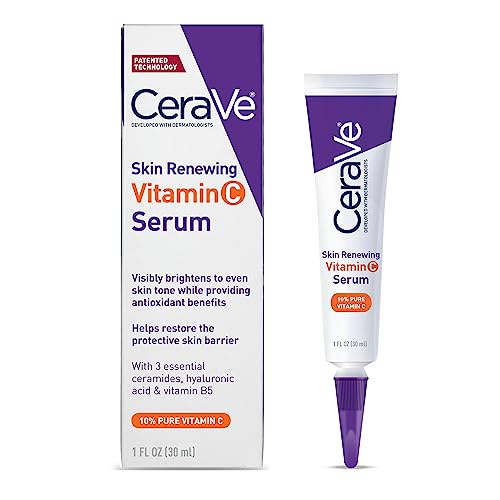
- Features 10% pure vitamin C and three essential ceramides
- Restores the skin’s natural barrier while brightening
- Non-comedogenic and fragrance-free, ideal for sensitive skin
- Includes hyaluronic acid for added hydration
- Developed with dermatologists for proven results


Niacinamide
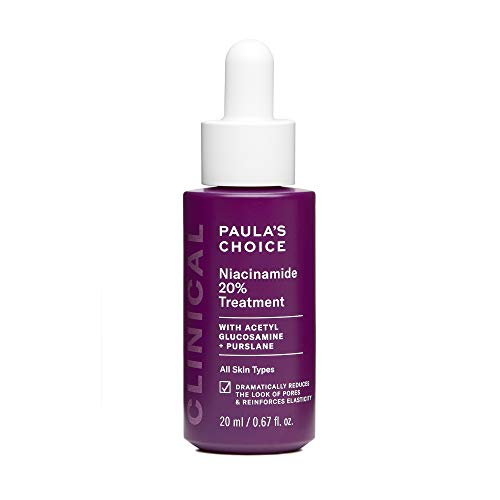
Niacinamide (vitamin B3) helps prevent the transfer of melanin to skin cells, making it highly effective for fading spots and preventing new ones. It also calms inflammation and strengthens the skin barrier, making it ideal for post-acne marks and post-inflammatory hyperpigmentation.
Try:


Exfoliation
Exfoliation promotes cell turnover, helping pigmented skin shed faster.
- Chemical exfoliants (AHAs/BHAs): dissolve bonds between dead skin cells, revealing brighter skin.
- Gentle physical exfoliants: help smooth texture while reducing dark spots.
Product options:


In-Office Treatments
For stubborn hyperpigmentation, dermatologist-led procedures may deliver faster, more dramatic results.
- Chemical Peels: Higher concentrations of exfoliating acids like glycolic or salicylic acid speed up cell turnover, fade dark spots, and refine skin texture. Usually done in a series of treatments.
- Microdermabrasion: A mechanical exfoliation that gently removes the outer layer of skin. It stimulates turnover without being painful, though mild redness may occur afterward.
- Lasers: Energy-based devices that break down excess melanin. Skin may look darker before peeling to reveal clearer skin. Typically done in multiple sessions.
Sun Protection
While sunscreen won’t fade existing dark spots, it’s non-negotiable for preventing them from worsening and for supporting the effectiveness of other treatments. A broad-spectrum SPF is essential daily.
Final Thoughts
Hyperpigmentation is common and persistent, but it’s treatable with the right approach. Consistency is key. From proven at-home ingredients like vitamin C and niacinamide to professional treatments like chemical peels and lasers, there are safe solutions that target dark spots—without bleaching your natural skin tone.
A brighter, more even complexion is possible.


